
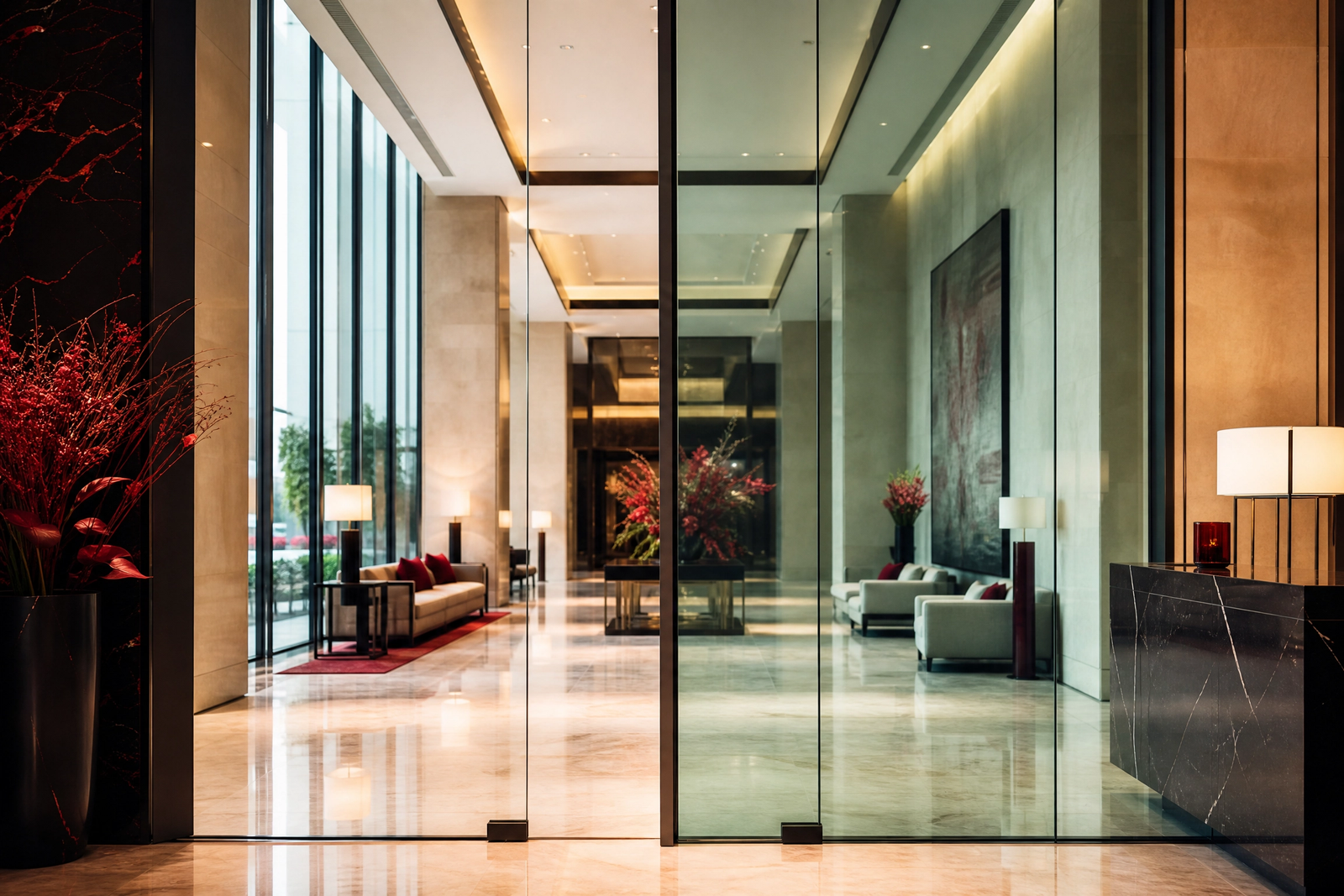
In high-end hotel projects, material selection is crucial, affecting not only the building’s overall aesthetics but also the guest experience. As an indispensable element in architectural facades and interior design, the quality of glass directly determines space transparency, lighting effects, and visual comfort. This article explores the differences between ultra-clear and regular glass and explains why ultra-clear glass is superior for hotel projects.
Differences Between Ultra-Clear and Regular Glass
| Feature | Ultra-Clear Glass | Regular Glass |
|---|---|---|
| Light Transmittance | 91%+ (Higher) | 80%-85% (Lower) |
| Color | Nearly colorless, crystal-clear | Noticeable green/blue tint, especially when thick |
| Self-Explosion Rate | Extremely low | Relatively higher due to nickel sulfide crystals |
| UV Transmittance | Lower, better protection for interiors | Higher, weaker protection |
| Visual Effect | Accurate color rendering, luxurious feel | Color distortion, lower perceived grade |
| Processing | Similar to regular glass (tempering, laminating, etc.) | Excellent processing performance |
Ultra-clear glass, also known as low-iron glass, is a high-quality glass produced by reducing the iron content in raw materials. Its most striking features are exceptionally high light transmittance and a nearly colorless appearance, eliminating the green or blue tint common in regular glass.
Advantages of Choosing Ultra-Clear Glass for Hotels
1.Ultimate Visual Transparency and Lighting
Hotels are places for rest and enjoyment, where transparency and lighting directly impact comfort. With light transmittance exceeding 91%, ultra-clear glass maximizes natural light, making interiors brighter and more spacious. Its colorless nature ensures true-to-life color reproduction of scenery and decor.
2.Enhancing Aesthetics and Luxury
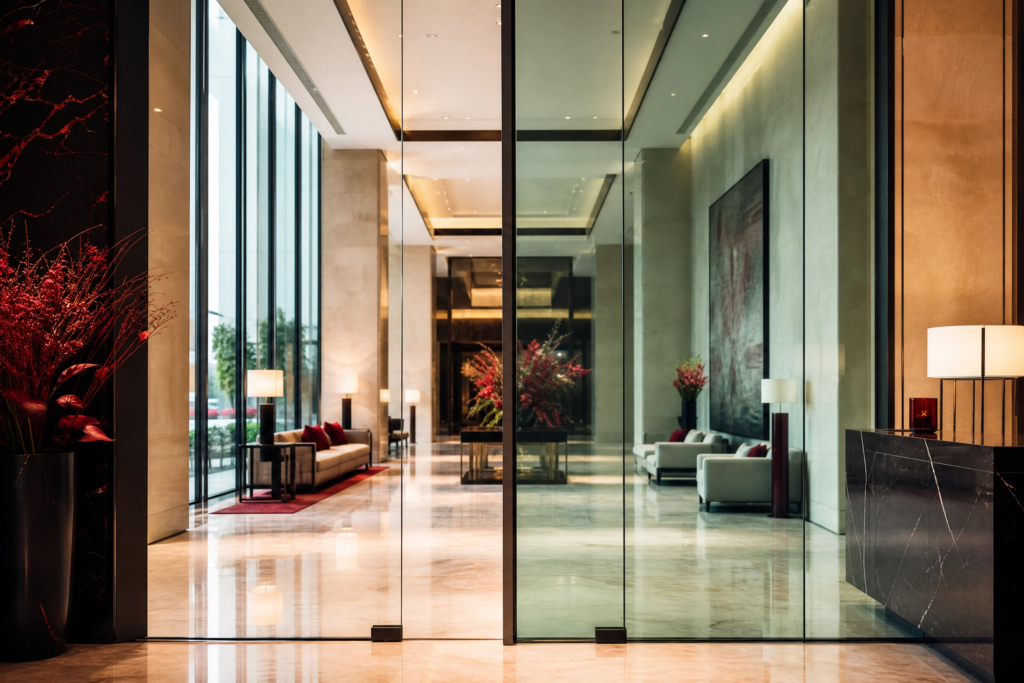
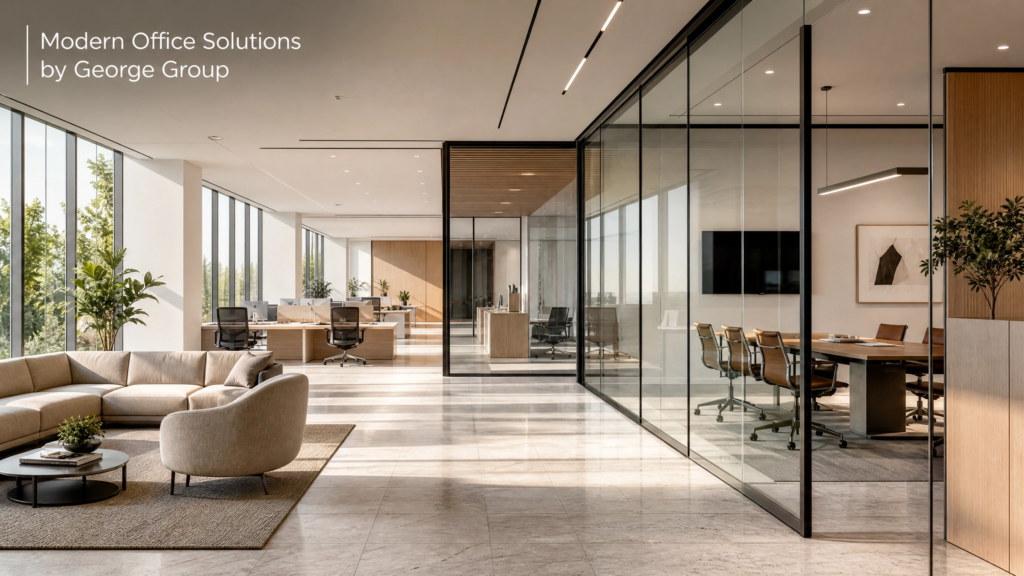
The crystal-clear texture of ultra-clear glass significantly elevates a hotel’s aesthetic grade. Whether used in lobbies, guest room windows, sightseeing elevators, or interior partitions, it creates a pure, modern, and luxurious atmosphere.
3.Lower Self-Explosion Risk and Higher Safety
Nickel sulfide crystals in regular glass are the main cause of self-explosion. Ultra-clear glass production strictly controls iron content and includes heat soak testing, drastically reducing this risk—a vital consideration for high-traffic hotels.
4.Better UV Protection
Ultra-clear glass has lower UV transmittance, effectively blocking more UV rays to protect high-end furniture, artwork, and carpets from fading and aging, thereby reducing maintenance costs.
5.Environmental Sustainability
The superior lighting performance of ultra-clear glass reduces reliance on artificial lighting, cutting energy consumption. Its refined materials and optimized processes align perfectly with green building principles.
In summary, while ultra-clear glass costs slightly more, its advantages in transparency, aesthetics, safety, and sustainability make it the ideal choice for high-end hotels. George Group is committed to providing premium glass solutions to help hotels create exceptional spaces.