
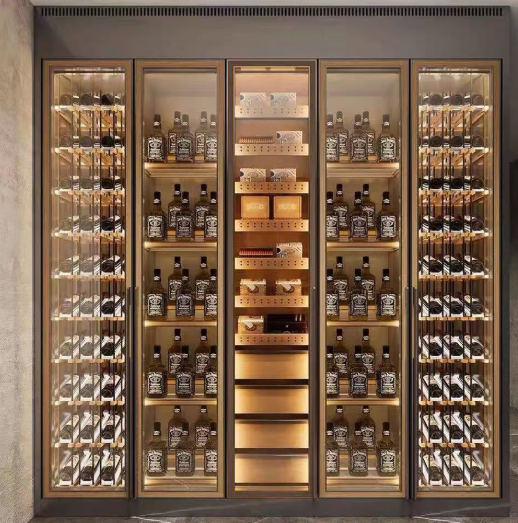



Introduction: From Traditional Furniture to Intelligent Living Spaces
As technology continues to evolve, smart home solutions are transforming the way people live and reshaping the modern furniture industry. From power reclining sofas and electric standing desks to smart storage systems and multifunctional furniture, furniture is no longer simply about meeting basic household needs. It is becoming an essential part of a more comfortable, functional, and technology-enabled lifestyle.
For furniture brands, wholesalers, retailers, interior designers, and commercial project buyers, smart home furniture represents both product innovation and new business opportunities. Consumers increasingly value comfort, efficient use of space, practical functionality, and everyday convenience. These changing expectations are encouraging the furniture industry to develop products that are smarter, more versatile, and more adaptable to modern lifestyles.
1. What Is Smart Home Furniture?
Smart home furniture refers to furniture that incorporates electric mechanisms, sensors, intelligent control systems, or other modern technologies to improve functionality and the user experience.
Common examples include:
- Smart sofas: Equipped with powered adjustment mechanisms that allow users to change reclining angles, footrest positions, or seating configurations.
- Electric standing desks: Designed to adjust in height according to different working preferences and space requirements.
- Smart beds and adjustable bed frames: Offering adjustable head or foot sections, with some models featuring additional lighting, massage, or other convenience functions.
- Smart storage furniture: Combining concealed storage, modular structures, and powered opening mechanisms to improve space efficiency.
- Multifunctional smart furniture: Integrating storage, relaxation, and working functions into a single product, making it suitable for apartments, compact homes, and modern commercial spaces.
These products reflect an important shift in furniture design: combining aesthetics with practical functionality, better user experiences, and more efficient use of space.
2. Why Is Smart Furniture Becoming an Important Industry Trend?
Greater Comfort and Convenience
Modern consumers want furniture that adapts to their lifestyles rather than restricting how they use their spaces. Powered adjustments, intuitive controls, and flexible designs make it easier to adapt furniture to different activities and personal preferences.
More Efficient Use of Space
As apartments, compact homes, and multifunctional commercial spaces become increasingly important, efficient space planning is a major consideration.
Folding furniture, concealed storage, electric standing desks, and modular furniture systems allow users to achieve more functionality without requiring additional floor space.
A Closer Integration of Design and Technology
Smart furniture does not need to look complicated. Many contemporary designs emphasize clean lines, natural materials, concealed mechanisms, and discreet technology that blends into the overall interior style.
For consumers who prefer modern, minimalist, contemporary luxury, or premium interiors, furniture that balances appearance and functionality can be particularly appealing.
New Product Opportunities for Furniture Businesses
For furniture wholesalers and retailers, smart features can help expand product portfolios, differentiate product offerings, and serve a wider range of customer needs.
However, the commercial success of smart furniture depends on several factors, including the target market, pricing, product reliability, after-sales support, and actual consumer demand.
3. Smart Furniture Applications Across Different Living Spaces
Living Rooms: Combining Comfort and Entertainment
The living room is often the center of daily family activities. Power reclining sofas, coffee tables with concealed storage, adjustable furniture, and smart lighting can create a more comfortable and flexible living environment.
For furniture retailers and wholesalers, modern living room furniture should offer more than attractive designs. Product functionality, material quality, durability, and compatibility with different interior styles are equally important.
Bedrooms: Improving the Rest Experience
Smart beds, adjustable bed frames, bedside storage furniture, and intelligent lighting can make bedrooms more functional and comfortable.
During product development and sourcing, businesses should pay particular attention to motor performance, structural stability, ease of operation, and long-term reliability.
Home Offices: Supporting Productivity and Flexibility
Remote and hybrid working arrangements have increased demand for home office furniture. Electric standing desks, adjustable office chairs, modular desks, and multifunctional storage solutions can accommodate different working habits.
For furniture buyers, products that balance ergonomic considerations, attractive design, and cost efficiency can help meet the needs of different customer segments.
Small Apartments and Multifunctional Spaces: Making Every Square Foot Count
Multifunctional furniture offers practical advantages in urban apartments, serviced residences, hotels, and compact homes.
Folding tables, extendable dining tables, concealed beds, and modular storage systems allow spaces to serve multiple purposes throughout the day.
For property developers, hospitality businesses, and furniture retailers, these products can provide flexible solutions for increasingly diverse space requirements.
4. How Should International Furniture Buyers Choose Smart Furniture?
For international wholesalers, retailers, furniture brands, and project buyers, selecting smart furniture requires more than comparing product appearance and purchase prices. Several key factors should be considered.
Product Quality and Durability
Evaluate the quality of motors, controllers, hardware, structural connections, and primary materials. For furniture with moving mechanisms, repeated-use performance, stability, and safety deserve particular attention.
Practical and Relevant Features
More features do not necessarily mean a better product. Buyers should prioritize functions that genuinely improve the user experience in their target markets.
Unnecessary features may increase product costs, maintenance requirements, and potential after-sales issues.
Compliance with Target-Market Requirements
Products incorporating electrical components, wireless connectivity, or intelligent control systems may need to meet applicable safety, radio communication, and electromagnetic compatibility requirements in their destination markets.
Before placing an order, buyers should confirm the specific regulations, testing requirements, and certifications applicable to each product.
Manufacturing and Delivery Capabilities
Reliable production schedules, clear quality control procedures, appropriate packaging, and realistic lead times are essential when sourcing furniture internationally.
Buyers should assess whether suppliers can consistently meet order specifications and delivery commitments.
After-Sales Support and Spare Parts
Smart furniture may contain motors, controllers, power components, and other parts that require maintenance or replacement.
Before purchasing, buyers should clarify warranty terms, spare-parts availability, troubleshooting procedures, and the division of after-sales responsibilities.
5. How China’s Furniture Supply Chain Can Help International Buyers Capture Smart Home Opportunities
China has an extensive furniture manufacturing ecosystem covering product design, panel processing, metal structures, upholstered furniture, hardware, and powered furniture components.
For international buyers, working with suitable Chinese manufacturers can provide access to a broad product selection, flexible customization options, and competitive sourcing opportunities.
However, identifying the right factories, evaluating product quality, coordinating production schedules, and managing delivery arrangements can be challenging, especially when working with multiple suppliers.
Professional furniture sourcing and supply chain services can help international buyers:
- Identify suitable furniture factories based on target markets, product positioning, and budgets.
- Compare product specifications, materials, quotations, and customization options.
- Coordinate sample approvals, production updates, and quality inspections.
- Manage packaging, container loading, and shipping arrangements.
- Facilitate communication regarding technical specifications, spare parts, and after-sales requirements.
With a more structured sourcing process, international buyers can reduce repetitive communication, improve purchasing efficiency, and develop smart furniture collections that better suit their target markets.
6. The Future of Smart Home Furniture
The future of smart home furniture will extend beyond powered adjustments and remote controls. Several areas are likely to remain important for product development.
- Modular and multifunctional designs: Flexible product combinations that meet the needs of different residential and commercial projects.
- More intuitive smart experiences: Controls and functions that are easier to understand and use.
- Durability and maintainability: Reliable structural designs, standardized components, and easier repair processes that help extend product life.
- Personalization and customization: Flexible choices in dimensions, materials, colors, and functions to accommodate different markets and customer preferences.
- Material selection and sustainable design: Greater attention to material choices, product longevity, and efficient resource use.
For furniture businesses, long-term competitiveness will depend not only on the products themselves but also on supply chain management, product development, delivery reliability, and customer service.
Conclusion: Creating More Value Through Smart Furniture
Smart home technology is encouraging the furniture industry to move beyond conventional product sales toward solutions that focus on lifestyle experiences, space efficiency, and integrated functionality.
For consumers, smart furniture can provide greater comfort and flexibility. For wholesalers, retailers, and commercial project buyers, it creates opportunities to expand product portfolios, meet differentiated customer needs, and explore new market segments.
Choosing the right products, reliable manufacturers, and professional sourcing support is an important step toward turning these opportunities into real business value.
If you are looking for furniture suppliers in China, planning to develop smart furniture collections, or seeking support with factory sourcing, product customization, production follow-up, and international shipping coordination, contact us to explore furniture sourcing solutions tailored to your market.
Let’s build smarter living spaces together.