
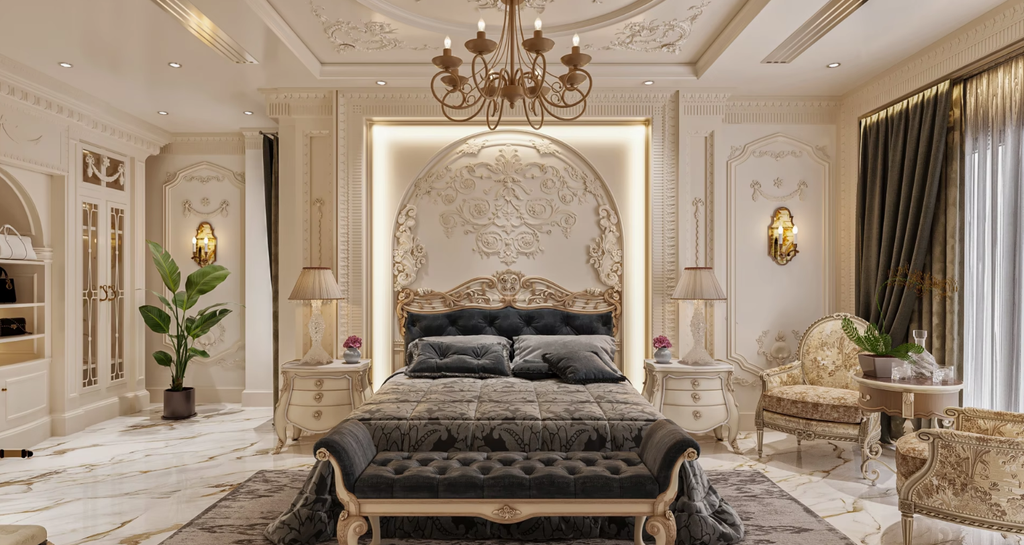
Walls are one of the largest visual elements in any home. The right wall panels can transform a plain surface, add texture and depth, and help define the overall character of a room.
From Modern Minimalist and Scandinavian interiors to Japandi, Modern Farmhouse, Contemporary, and Industrial styles, different spaces call for different colors, textures, and finishes.
So, how do you choose the right wall panels for your home?
The answer goes beyond simply choosing a color you like. You should consider your interior style, room function, natural lighting, furniture, color palette, and the performance of the wall panel itself.
1. Start With Your Interior Design Style
Before choosing your wall panels, think about the overall look and feel you want to create.
Wall panels should complement your interior rather than look like a separate decorative element.
Modern Minimalist
Modern Minimalist interiors are defined by clean lines, neutral colors, and uncluttered spaces.
Consider:
- White, beige, and light gray
- Light wood finishes
- Simple geometric lines
- Subtle textures
Light-colored wall panels can work beautifully with white, gray, and natural wood furniture to create a clean and comfortable interior.
Scandinavian
Scandinavian design emphasizes natural light, neutral colors, and natural materials.
Light oak, natural wood, off-white, and soft gray wall panels are excellent choices.
Pair them with:
- Natural wood furniture
- Linen textiles
- Indoor plants
- Neutral-colored rugs
The result is a bright, relaxed, and natural atmosphere.
Japandi
Japandi combines Japanese minimalism with Scandinavian simplicity and has become increasingly popular in contemporary interior design.
For a Japandi-inspired home, consider:
- Natural oak tones
- Warm beige
- Soft gray
- Subtle wood grain
Avoid overly complicated patterns or highly saturated colors. Simple textures help create a calm and balanced interior.
Modern Farmhouse
Modern Farmhouse is a popular interior style, particularly in American homes.
For a warm and inviting look, consider:
- White or off-white wall panels
- Warm wood tones
- Shiplap-inspired designs
- Subtle natural textures
Combine them with wood furniture, black metal accents, and neutral textiles for a timeless farmhouse-inspired interior.
Contemporary
Contemporary interiors focus on modern materials, clean forms, and visual contrast.
Consider:
- Dark wood finishes
- Stone-inspired textures
- Large-format wall panels
- Gray, taupe, or warm brown tones
If you want the wall to become a focal point, choose a panel with a distinctive texture or stronger visual character.
Industrial
Industrial interiors often highlight raw materials, darker colors, and strong architectural elements.
Concrete-inspired textures, dark wood, brick-inspired finishes, and charcoal wall panels can work particularly well.
Pair them with black metal, leather furniture, and warm lighting to strengthen the industrial aesthetic.
2. Choose Wall Panels Based on the Room
Your interior style is important, but the function of the room matters too.
Living Room
The living room is often the heart of the home and an ideal place for decorative wall panels.
Popular applications include:
- TV feature walls
- Fireplace walls
- Sofa accent walls
- Partial accent walls
For smaller living rooms, lighter colors and simpler textures can help maintain an open and spacious feeling.
Bedroom
Bedrooms are usually designed around comfort and relaxation.
Wood-look wall panels are particularly effective as a:
Bed Headboard Wall or Accent Wall
Warm wood tones, beige, and soft gray can add visual warmth while creating a natural focal point.
Dining Room
Wall panels can add texture and personality to dining areas.
For example, a wood-look or decorative wall panel behind the dining table can help visually define the space.
Entryway
The entryway creates the first impression of your home.
Simple wall panels can be combined with:
- A mirror
- A console table
- Decorative lighting
- Storage furniture
This creates a cohesive and welcoming entrance.
3. Coordinate Wall Panel Colors With Your Home
One of the most important things to remember is not to evaluate a wall panel on its own.
Instead, consider the complete interior.
A simple way to think about your color palette is:
Wall Panels + Flooring + Furniture + Doors + Lighting
If your flooring and furniture are already dark, lighter wall panels can create contrast.
If the room is dominated by white and soft gray tones, natural wood panels can introduce warmth.
If the room already contains many colors and decorative elements, a more neutral wall panel can help maintain visual balance.
4. Don’t Forget About Texture
Color creates the first impression, but texture adds depth and character.
Wood Grain
Ideal for warm, natural, and comfortable interiors.
Stone Texture
A good option for Contemporary and luxury-inspired interiors.
Fluted or Slatted Designs
These designs can introduce vertical lines and architectural detail. They work particularly well with Contemporary and Japandi interiors.
Plain or Subtle Textures
A good choice for Minimalist spaces where simplicity is the priority.
5. Consider Natural Light
Natural lighting can significantly change how a wall panel looks.
If a room receives limited natural light, consider:
- Off-white
- Cream
- Light oak
- Light gray
These colors can help maintain a brighter appearance.
For rooms with plenty of natural light, you can experiment with:
- Walnut
- Dark oak
- Charcoal
- Deep brown
Darker wall panels can create contrast and add depth to a well-lit room.
Because colors can look different depending on lighting and surroundings, it is always a good idea to check real-life samples before making a final decision.
6. Think About Everyday Performance
Design is only one part of choosing the right wall panels.
For residential projects, you should also consider:
- Durability
- Moisture resistance
- Scratch resistance
- Ease of cleaning
- Installation method
- Maintenance requirements
Different rooms have different needs.
For living rooms and bedrooms, you may focus more heavily on appearance and atmosphere. For kitchens, dining areas, and other spaces exposed to moisture or stains, performance and maintenance may become more important.
7. You Don’t Have to Cover the Entire Wall
Wall panels don’t have to cover every wall in a room.
In fact, an accent wall can be a simple way to introduce texture and personality without overwhelming the space.
TV Feature Wall
Use wall panels around the TV to create a strong visual focal point.
Bedroom Accent Wall
Wood-look or fluted wall panels behind the bed can add warmth and architectural interest.
Fireplace Wall
Wall panels can help highlight the fireplace and make it a stronger architectural focal point.
Dining Accent Wall
A partial wall panel installation can add texture and character without making the room feel overly decorated.
8. Five Things to Remember When Choosing Wall Panels
Match Your Style
Choose wall panels that complement the overall design of your home.
Consider the Color Palette
Look at your flooring, furniture, doors, windows, and lighting together.
Think About Texture
Choose a texture that works with the proportions and character of the room.
Consider Function
Select materials and finishes based on how the room will actually be used.
Use It Strategically
You don’t always need full-wall installation. A well-designed accent wall can make a strong impact.
Final Thoughts
Choosing wall panels isn’t simply about selecting a wall covering. It’s about defining the visual language of your space.
Whether you prefer Modern Minimalist, Scandinavian, Japandi, Modern Farmhouse, Contemporary, or Industrial interiors, the right combination of color, texture, and panel design can help create a home that feels personal and cohesive.
Before making your decision, ask yourself:
What is my interior style?
How much natural light does the room receive?
What colors and materials are already in the space?
How will the wall be used?
Do I want a subtle background or a statement wall?
When your wall panels work naturally with your furniture, flooring, lighting, and other design elements, the wall becomes more than a background—it becomes an integral part of the home.
Choose wall panels that fit your style, your space, and the way you live.